

7 Tips for Raising Bilingual Children Successfully
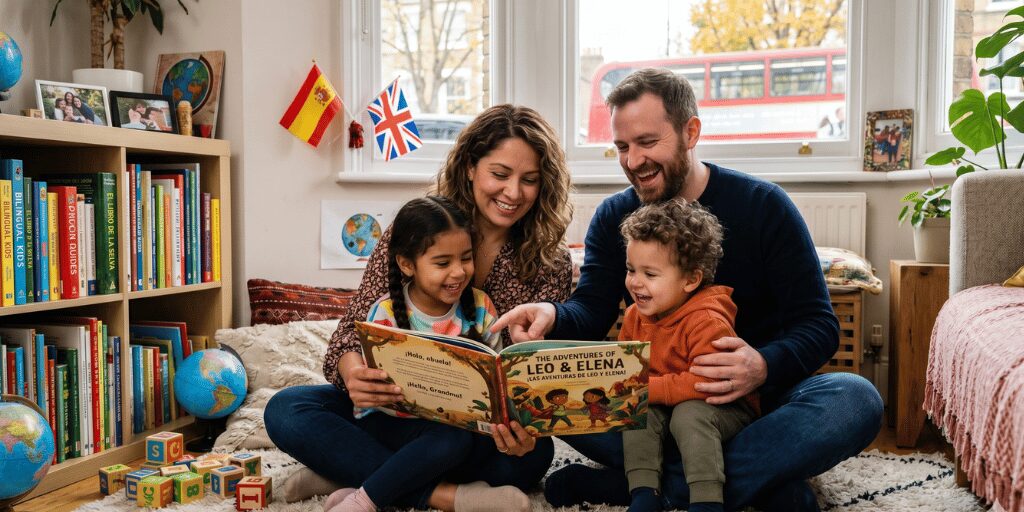
Many parents raising bilingual children share the same fear: What if my child stops speaking the minority language?
During a meeting with a group of mothers living in Australia, I asked them what worried them most about raising bilingual children. They all gave the same answer: “I’m afraid my child will no longer want to speak Portuguese.”
There are no guarantees that a child will continue speaking a particular language. However, bilingualism specialists have identified many practices that can increase a child’s chances of success. With consistency, emotional connection, and the right environment, families can help keep the minority language alive.
Here are seven practical tips to support your child’s bilingual journey.
1. Be clear about why you are teaching the minority language
Before anything else, be clear about your reasons for teaching the minority language. Whether your goal is family connection, cultural identity, travel, education, or simply the gift of multilingualism, your motivation matters.
This reason will help you continue when the bilingual journey feels difficult. Raising a bilingual child is a long-term commitment, and while it is a wonderful gift, it is not always easy.
When children are very young and not yet attending daycare or school, it may feel easier to “control” the language they hear at home. But once they enter school, the majority language often becomes stronger. At this stage, families need to create intentional strategies to make the minority language present, useful, and attractive in the child’s everyday life.
2. Learn from reliable sources about bilingual parenting
Parents raising bilingual children do not need to rely only on intuition. Today, there are many books, articles, blogs, and expert resources about bilingual parenting and minority language development.
Look for reliable information from bilingualism specialists, educators, speech therapists, and experienced multilingual families. The more you understand how bilingual language development works, the more confident you will feel in your choices.
Good information can also help you avoid common myths, such as the idea that bilingualism causes language delays or confusion. For most children, bilingualism is not a problem to solve, but a rich and valuable part of their development.
3. Talk to your partner about your bilingual family plan
If you are raising a child with a partner, it is important to talk openly about your decision to raise your child bilingually. When the whole family is not aligned, conflicts can arise and make it harder to use the minority language at home.
Discuss how language will work in your daily routine. Which language will each parent use? What language will you speak during meals, bedtime, playtime, or family outings? How will you respond if your child answers in the majority language?
There is no single perfect method for every family. What matters most is that everyone understands the goal and supports the plan. A harmonious home has a strong positive impact on a child’s bilingual upbringing.
4. Create a rich bilingual environment at home
A child needs regular and meaningful exposure to the minority language. That means the language should not appear only occasionally. It needs to be part of the child’s real life.
Families can create a bilingual environment in many ways:
You may choose a method such as OPOL, where one parent speaks one language and the other parent speaks another. Another option is mL@H, where the minority language is used at home while the majority language is used outside the home.
You can also offer books, songs, games, cartoons, apps, storytelling, and daily conversations in the minority language. The goal is to make the language feel natural, fun, and useful.
Whenever possible, help your child connect with grandparents, cousins, aunts, and uncles through messages, phone calls, and video calls. If there is a Portuguese school, language club, or cultural group in your area, joining it can also help your child see that other children speak the same language.
Traveling to Brazil, Portugal, or another country where the language is spoken can be a powerful experience, but it is not the only way to succeed. What matters most is frequent, meaningful contact with the language.
5. Keep the emotional connection with family and culture
For many families, the main reason for teaching the minority language is so children can communicate with relatives and feel connected to their heritage.
I remember asking my 10-year-old students on the first day of class why they needed to speak Portuguese. Their answer was unanimous: “To talk to my grandma and my family in Brazil.”
This kind of emotional connection is powerful. A minority language becomes much stronger in a child’s life when they have a real and meaningful reason to use it.
Children are more likely to speak the language when it helps them build relationships, share stories, understand traditions, and feel part of a wider family and culture.
6. Look for extra support when you need it
You do not need to go through the bilingual journey alone. If you feel that your child’s bilingual development is not going as expected, ask for help.
Many families go through phases when children resist the minority language, answer only in the majority language, or seem less interested than before. This does not mean you have failed. It often means your strategy needs adjustment.
You can look for online groups for bilingual families, local language communities, heritage language schools, or other parents raising multilingual children.
If your concern is related to your child’s health, speech, language development, or emotional well-being, look for a professional with experience in bilingual or multicultural families. This may include teachers, psychologists, speech therapists, pediatricians, or other child development specialists.
7. Be persistent with the minority language
One of the most common things families say about raising bilingual children is that it requires persistence and discipline.
The school years can be especially challenging. The majority language becomes very strong because children use it with teachers, friends, activities, and the world around them. At times, it may feel as if the majority language and the minority language are competing.
If you let the majority language take over completely, it often will. But the goal is not for one language to win. The goal is balance.
Your persistence helps the minority language remain active as your child grows. This is especially important before adolescence, when language development may slow down if the child is not using the language regularly.
Final thoughts on raising bilingual children
The success of your child’s bilingual journey depends largely on consistency, exposure, and emotional connection.
Even if you do not have regular contact with family in Brazil, Portugal, or another Portuguese-speaking country, and even if you cannot travel often, keep speaking the minority language with your child.
If you genuinely want your child to speak Portuguese, or any other minority language, they need to hear it often and have real reasons to use it in everyday life.
Raising bilingual children is not always easy, but with patience, persistence, and love, the minority language can remain a meaningful part of your child’s identity.
References
Barbara Zurer Pearson, Raising a Bilingual Child.
François Grosjean, Bilingual: Life and Reality.
 📱 About the app
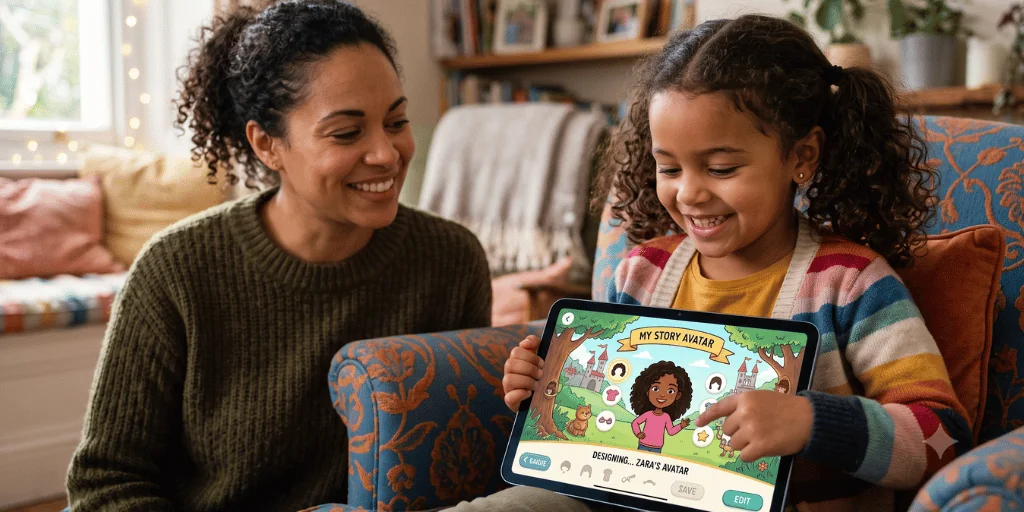
Poikilingo Kids is a Danish language learning app designed for children aged 3–6. Created by expat moms, it features mini-games built around kindergarten routines, seasonal content, and a highly inclusive avatar system. 100% ad-free and child-safe. Available on iOS and Android.