

Fastelavn: Denmark’s Carnival Tradition Your Kids Will Love
One morning in late February, your child will come home from børnehave wearing a cardboard crown and clutching a paper bag of sweets, buzzing with excitement about a game you’ve never heard of. Welcome to Fastelavn, one of the most beloved Danish children’s celebrations of the year.
As an international parent, Fastelavn can feel a bit bewildering at first. What exactly is it? Why is there a barrel? Why do children hit it with sticks? And what on earth are you supposed to do about a costume?
This guide answers all of it.
What Is Fastelavn?
Fastelavn is the Danish equivalent of carnival, celebrated on the Sunday before Lent — usually in February or early March. The word itself comes from the Low German vastel-avent, meaning “the eve of the fast.” Historically it marked the last days of indulgence before the Lenten fast, but today it has lost almost all religious meaning and is purely a children’s celebration.
Think of it as Denmark’s version of Halloween, but gentler, more community-oriented, and with better buns.
The Fastelavn Traditions You Need to Know
1. Costumes (Fastelavnsdragt)
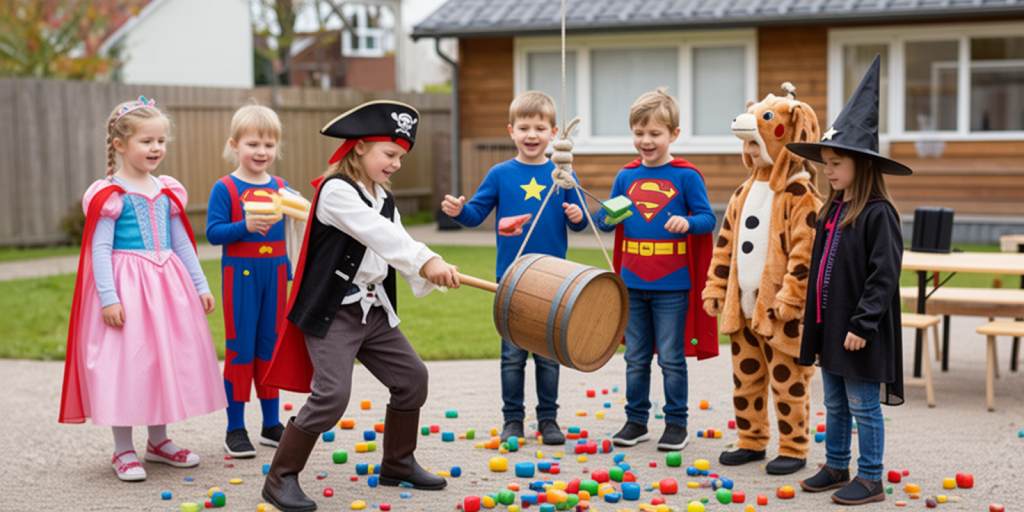
Children dress up in colourful costumes. Unlike Halloween, the theme is not scary — popular choices include superheroes, animals, princesses, pirates, and cartoon characters. Kindergartens usually hold a fastelavnstog (costume parade) where the children walk around the school or neighbourhood in their outfits.
2. Slå Katten af Tønden
The centrepiece of Fastelavn is slå katten af tønden — literally “knock the cat off the barrel.” A large decorated barrel (traditionally containing a black cat, though today it’s filled with sweets and small toys) is suspended, and children take turns hitting it with a decorated stick until it breaks apart.
The child who knocks the tønde (barrel) apart completely becomes the kattekonge (cat king) if a boy, or kattedronning (cat queen) if a girl — and receives a paper crown. The child who knocks off the last piece of the bottom is crowned as well.
The game is raucous, joyful, and children absolutely love it. It usually ends with sweets being scattered everywhere and a room full of very happy, slightly over-sugared children.
3. Fastelavnsboller
No Fastelavn is complete without fastelavnsboller — soft, enriched buns flavoured with cardamom and filled with whipped cream, custard, or jam. Danish bakeries (bagere) start selling them weeks in advance. They’re rich, delicious, and your children will request them constantly once they’ve discovered them.
You can pick them up at any Lagkagehuset or local bageri. Many families also bake them at home — you’ll find recipes on Danmarks Mejerier’s website.
4. Singing at Doors
In some families and neighbourhoods, children still follow the old tradition of going door to door on Fastelavn morning, singing fastelavnssange (Fastelavn songs) in exchange for sweets. The most famous starts with the lines: Fastelavn er mit navn, boller vil jeg have… (“Fastelavn is my name, buns are what I want…”). Your child will almost certainly learn this song at kindergarten.
How Kindergartens Celebrate Fastelavn
Danish kindergartens take Fastelavn very seriously. Most will send home a message asking you to bring your child in costume on a specific day. The typical programme includes:
- A costume parade (fastelavnstog) around the school or local streets
- The slå katten af tønden game, with a safe, candy-filled barrel
- Singing traditional Fastelavn songs
- Eating fastelavnsboller together
If you’re uncertain about the date or logistics, check your child’s kindergarten app (Aula is the most common communication platform in Danish schools and kindergartens) or ask the educators (pædagoger) directly.
Fastelavn at Home: How to Join In as an International Family
One of the best things you can do as an international family is to participate genuinely in Danish traditions. Here are some easy ways to bring Fastelavn into your home:
- Buy or bake fastelavnsboller on the day
- Let your child choose their own costume — the autonomy matters to them
- Learn the fastelavnssange together — YouTube has many child-friendly versions
- Set up a simple barrel game at home with a cardboard box
- Talk to your child about what happened at kindergarten — they will want to tell you everything
When Is Fastelavn in 2026 and 2027?
Fastelavn falls on the Sunday before Lent. In 2026, Fastelavn Sunday is 15 February 2026. In 2027, it falls on 7 February 2027. Kindergartens may celebrate on the Friday before or the Monday after — check with your child’s institution.
Expat tip: If you haven’t prepared a costume in time, a simple cape and crown from a craft shop will do. Danish parents are relaxed about this — participation matters more than perfection. You can buy ready-made costumes at BR Legetøj or Tiger stores across Denmark
 📱 About the app
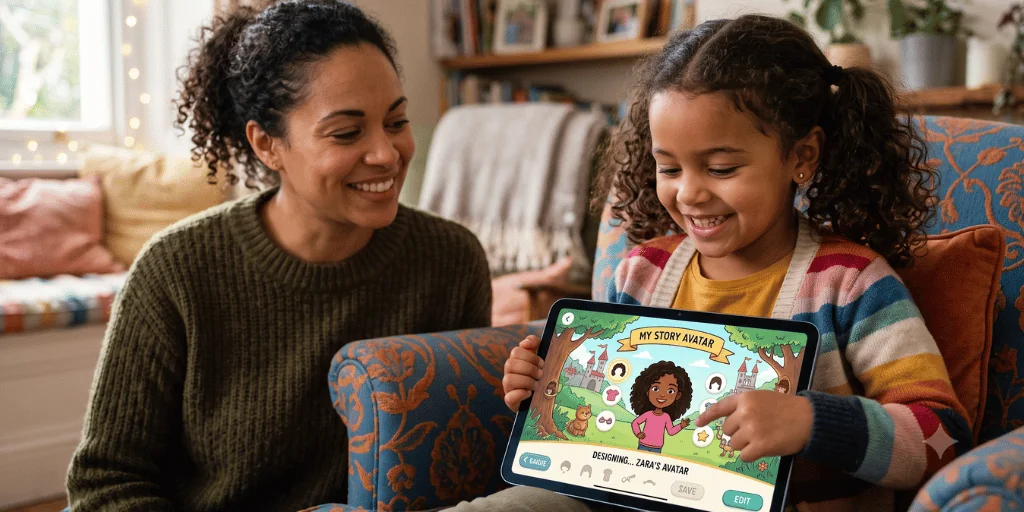
Poikilingo Kids is a Danish language learning app designed for children aged 3–6. Created by expat moms, it features mini-games built around kindergarten routines, seasonal content, and a highly inclusive avatar system. 100% ad-free and child-safe. Available on iOS and Android.